What Is Remnant Ad Inventory? A Complete Guide for Publishers
Understand remnant ad inventory, why it goes unsold, and how AI-driven monetization turns empty slots into revenue without conflicting with your existing ad stack.

If you run a website with ad slots, chances are a third of your impressions never get filled by your primary demand partners. That unsold space has a name in the ad tech industry: remnant ad inventory. It's not broken traffic and it's not low-quality — it's simply inventory your main ad stack didn't have a buyer for at that exact moment.
Left unmanaged, it's pure lost revenue. Managed correctly, it can become one of the highest-margin lines on your P&L.
In this guide, we'll break down what remnant inventory actually is, why it happens even on well-optimized sites, and the modern ways publishers are recovering that lost revenue with AI-driven tools instead of outdated static waterfalls.
What Does "Remnant Ad Inventory" Mean?
Remnant inventory refers to ad impressions that go unsold through a publisher's primary demand sources — direct sales, header bidding partners, or a top-tier ad network. When none of those buyers bid on (or bid high enough for) a given impression, the ad slot either goes blank or falls through to a lower-priority, lower-paying fallback.

Industry estimates suggest that a significant share of daily ad impressions across publisher networks fall into this remnant category. Common causes include:
- Thin demand during off-peak hours (late night, early morning)
- Traffic from geographies with lower advertiser demand
- Niche content categories that don't attract premium CPMs
- Seasonal dips in advertiser budgets
- Ad slots below the fold or in less-visible placements
Why Remnant Inventory Matters for Publisher Revenue
Every unfilled impression is a missed opportunity. On high-traffic sites, even a modest per-impression value adds up to meaningful monthly revenue once you multiply it across thousands of passed impressions. Most publishers underestimate this because remnant inventory doesn't show up as a line item — it shows up as an empty ad slot, which is easy to overlook in day-to-day ad ops.
The traditional fix has been a waterfall: a static, ranked list of backup ad networks that get called one after another until someone fills the slot. The problem is that waterfalls are slow, rigid, and rarely reflect real-time demand. Static waterfalls typically achieve fill rates around 35%, meaning roughly two-thirds of remnant impressions still go unsold.
How AI-Driven Monetization Changes the Equation
Instead of calling networks in a fixed order and hoping one pays, AI-based optimization evaluates live demand for every single impression in real time and serves whichever ad is most likely to pay best right now. This shifts monetization from a rules-based guess to a data-driven decision made in milliseconds.

Platforms built specifically for this layer — like AdBunny — sit underneath your existing ad stack and only activate when your primary demand has already passed. That means:
- No conflict with your existing header bidding or direct-sold inventory
- No waterfall maintenance or manual network reordering
- Real-time bidding logic applied to every remnant impression
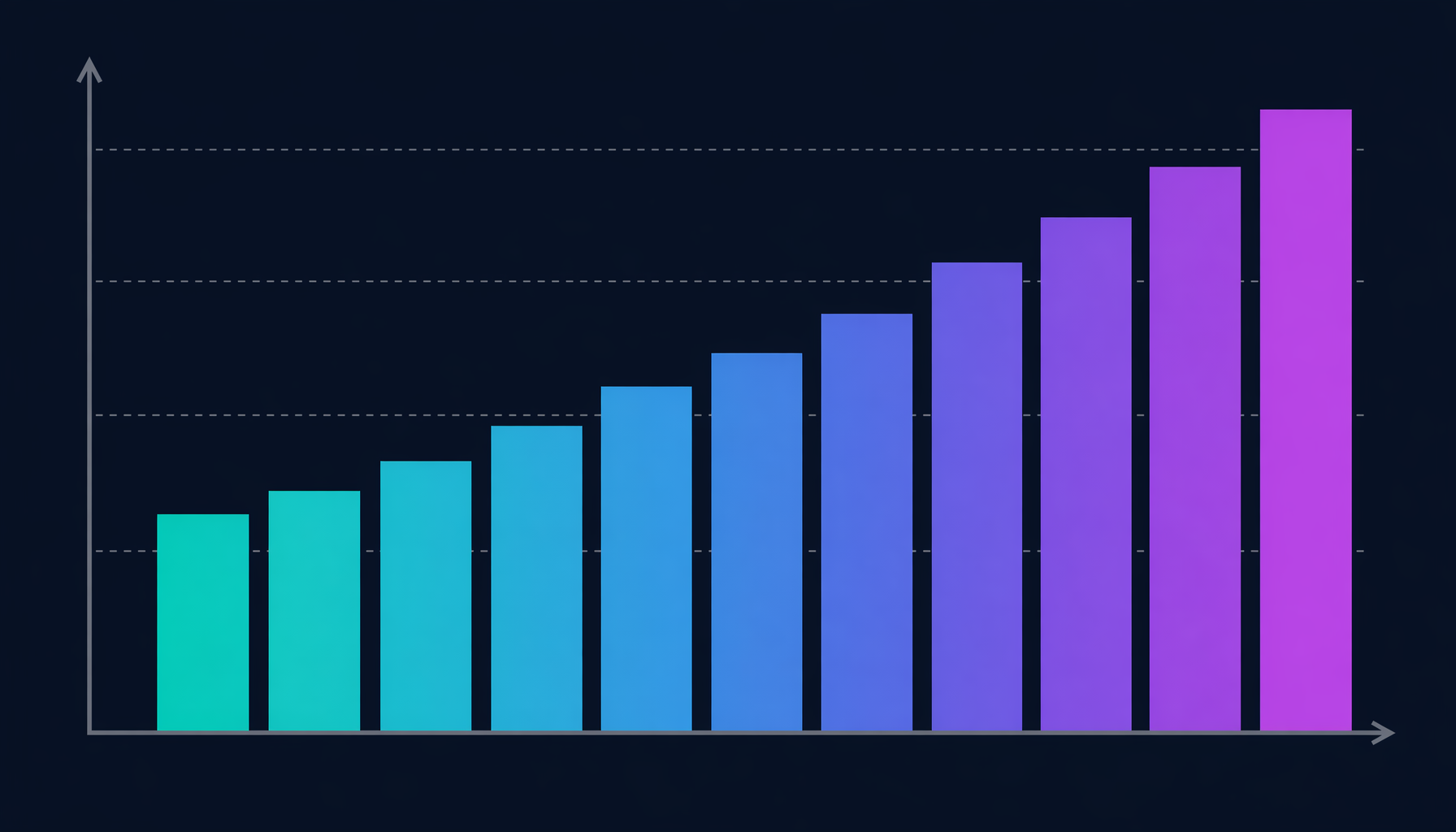
- Meaningful fill rate improvement — often from roughly 30% to 85%+ within the first week of integration
Remnant Inventory vs. Premium Inventory: Key Differences
It helps to think of your ad inventory in two tiers. Premium inventory is your best-performing placements with strong, consistent advertiser demand — think above-the-fold units on high-traffic pages. Remnant inventory is everything your primary stack doesn't reliably sell: off-peak traffic, secondary placements, and lower-demand geographies.
The goal isn't to treat remnant inventory the same as premium inventory. It's to apply a lightweight, non-disruptive layer that captures value from it without touching the placements that already perform well.
How to Start Monetizing Your Remnant Inventory
Getting started doesn't require an engineering sprint or a stack overhaul. A typical setup looks like this:
- Audit current fill rates across your ad slots to identify where impressions are being passed
- Add a lightweight secondary tag that activates only after your primary stack passes
- Let AI-driven optimization evaluate and price each remnant impression in real time
- Monitor fill rate and revenue lift over the first one to two weeks

Because this type of integration runs as a single JavaScript tag rather than a full waterfall rebuild, most publishers are live within minutes, with no development resources required.
Frequently Asked Questions
Will a remnant monetization tag conflict with my existing ad stack?
No. Tools designed for this purpose act as a secondary layer, only serving when your primary demand has already passed on an impression, so there's no bidding conflict.
How much revenue can I realistically recover?
Results vary by traffic volume and vertical, but publishers commonly see fill rates rise from roughly 30% to 85%+ on previously unsold inventory after implementation.
Is remnant inventory lower quality than premium inventory?
Not inherently. It's simply inventory that didn't clear at a given moment due to timing, geography, or thin demand — not a reflection of traffic quality.
Key Takeaways
- Remnant inventory is unsold ad space your primary demand partners passed on — not a traffic quality issue.
- Static waterfalls typically fill only ~35% of remnant impressions.
- AI-driven, real-time optimization can lift fill rates to 85%+ without disrupting existing demand.
- A single-tag secondary layer, like AdBunny, lets publishers recover this revenue with no dev lift and no conflict with current ad stacks.